
Marriage, Gender, and Social Expectation
To the LighthouseMarriage is presented as a powerful social ideal that Mrs Ramsay promotes and Lily questions through her independent life and work.
increasing Bearing strength in each event
 decreasing
Bearing strength in each eventdecreasingMrs Ramsay’s Matchmaking
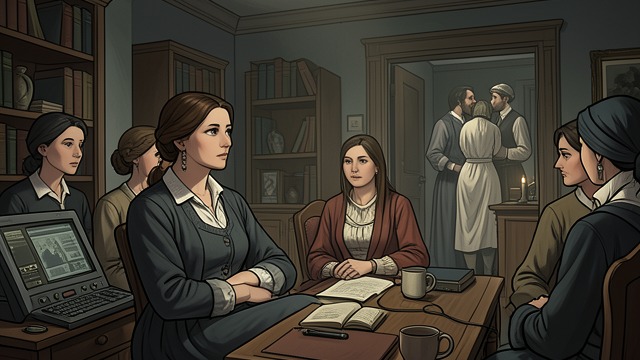
Marriage as Arrangement
Intervention
Mrs Ramsay imagines that Lily and William Bankes should marry. She also encourages the developing attachment between Paul and Minta.
Belief
Her matchmaking reflects a conviction that marriage gives people a necessary form of fulfillment. Her care can also become pressure on those whose desires differ.
Lily’s Refusal
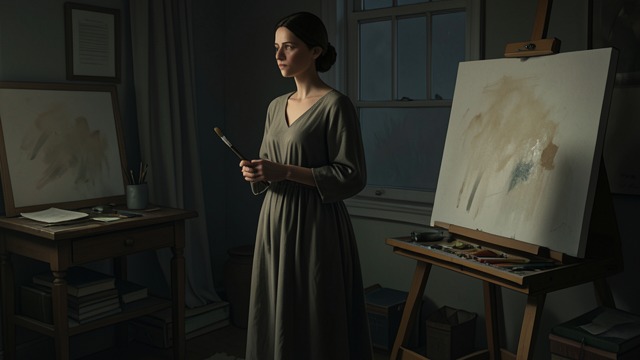
An Unmarried Future
Argument
Lily resists the claim that an unmarried woman has missed the best of life. She values independence, solitude, and painting, though she feels the force of the social argument.
Uncertainty
She cannot dismiss marriage as meaningless. The tension reveals how social expectations can shape a person even when she rejects them.
The Engagement Celebrated

A Conventional Beginning
Approval
Paul and Minta’s engagement appears to confirm Mrs Ramsay’s hopes. Their courtship is celebrated as a promising social and emotional union.
Irony
The later account shows that marriage changes and strains their relationship. The initial celebration cannot establish that one social form ensures happiness.
Lily’s Independent Work
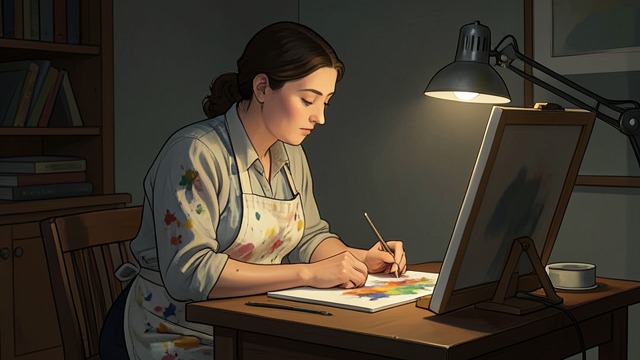
A Different Measure
Practice
Lily resumes the painting rather than seeking a husband. The work demands concentration and a willingness to remain outside conventional expectations.
Cost
Her independence does not make her immune to doubt or loneliness. It gives her a purpose not measured by marriage or motherhood.
A Life on Her Terms
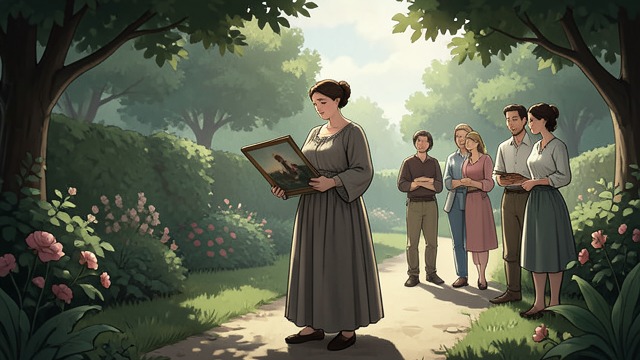
Alternative Fulfillment
Choice
Lily completes her painting without entering the marriage Mrs Ramsay imagined for her. Her life has taken shape through friendship, memory, and artistic work.
Conclusion
The novel does not make her choice a simple rejection of love. It shows that a woman’s meaningful life need not follow a single prescribed pattern.
the first summer afternoon in the garden
during the first summer evening’s reflections
during the first summer dinner
the morning Lily returns to the summer house
at the final completion of the painting
